

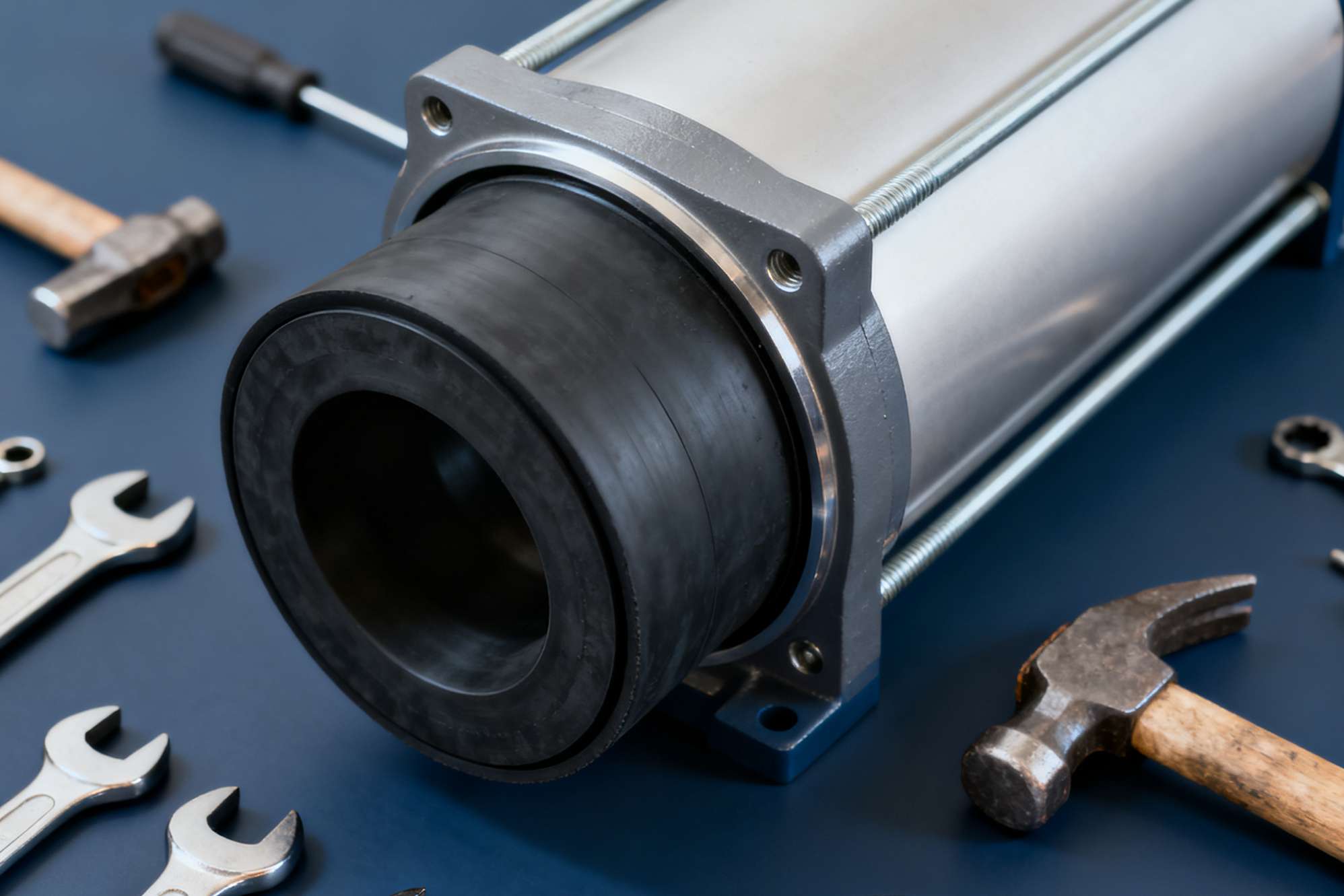
How to protect industry rubber when you use it
Industrial rubber components are the unsung heroes of machinery, sealing joints, dampening vibrations, and protecting against corrosive environments. Yet, neglect can lead to premature failure, costly downtime, and safety risks. To maximize the lifespan of your rubber parts, follow these five proven maintenance steps based on industry best practices.
Step 1: Regular Visual Inspections – Catch Issues Early
Why it matters: Cracks, bulges, or discoloration are early signs of degradation.
How to do it:
Weekly checks: Examine seals, gaskets, and O-rings for surface wear or chemical exposure.
Use a flashlight: Look for micro-cracks or hardening, which indicate aging.
Document findings: Create a maintenance log to track trends.
Pro tip: Replace rubber parts before failure to avoid contamination or leaks in critical systems.
Step 2: Clean Properly – Avoid Chemical Damage
Why it matters: Harsh cleaners or solvents can accelerate rubber deterioration.
How to do it:
Use mild detergents: Opt for pH-neutral solutions to preserve elasticity.
Avoid abrasive tools: Soft brushes or cloths prevent surface scratches.
Rinse thoroughly: Residue can attract dust or cause chemical reactions.
Warning: Never use petroleum-based or chlorinated solvents on rubber—they degrade the material.
Step 3: Control Environmental Factors – Temperature & Humidity
Why it matters: Extreme heat or cold can harden or soften rubber, reducing effectiveness.
How to do it:
Store in a dry place: Humidity promotes mold growth or swelling.
Limit UV exposure: Sunlight causes cracking—use UV-resistant coatings if outdoors.
Monitor temperature: Ideal range: –40°C to +120°C for most industrial rubber.
Case study: A food plant reduced downtime by 30% by insulating rubber seals in freezer zones.
Step 4: Lubricate Strategically – Reduce Friction Wear
Why it matters: Dry rubber surfaces wear faster under mechanical stress.
How to do it:
Use silicone-based lubricants: They’re compatible with rubber and non-reactive.
Apply sparingly: Excess lubrication attracts dirt, leading to abrasion.
Focus on moving parts: O-rings, seals, and vibration dampeners benefit most.
Avoid: Oil-based or greasy lubricants—they break down rubber over time.
Step 5: Replace Proactively – Don’t Wait for Failure
Why it matters: Delayed replacement risks contamination or catastrophic failure.
How to do it:
Follow manufacturer guidelines: Check recommended service intervals.
Keep spare parts: A stockpile of critical seals prevents emergency downtime.
Upgrade materials: Consider high-performance rubber (e.g., EPDM, NBR) for harsh environments.
Statistic: 60% of rubber-related failures occur due to delayed replacement.
Conclusion: A Proactive Approach Saves Money
By implementing these five steps, you can extend rubber component life by 50% or more, reduce maintenance costs, and enhance equipment reliability.
Key takeaways:
Inspect weekly for early signs of wear.
Clean gently with pH-neutral solutions.
Control temperature and humidity.
Lubricate with silicone-based products.
Replace before failure to avoid disasters.