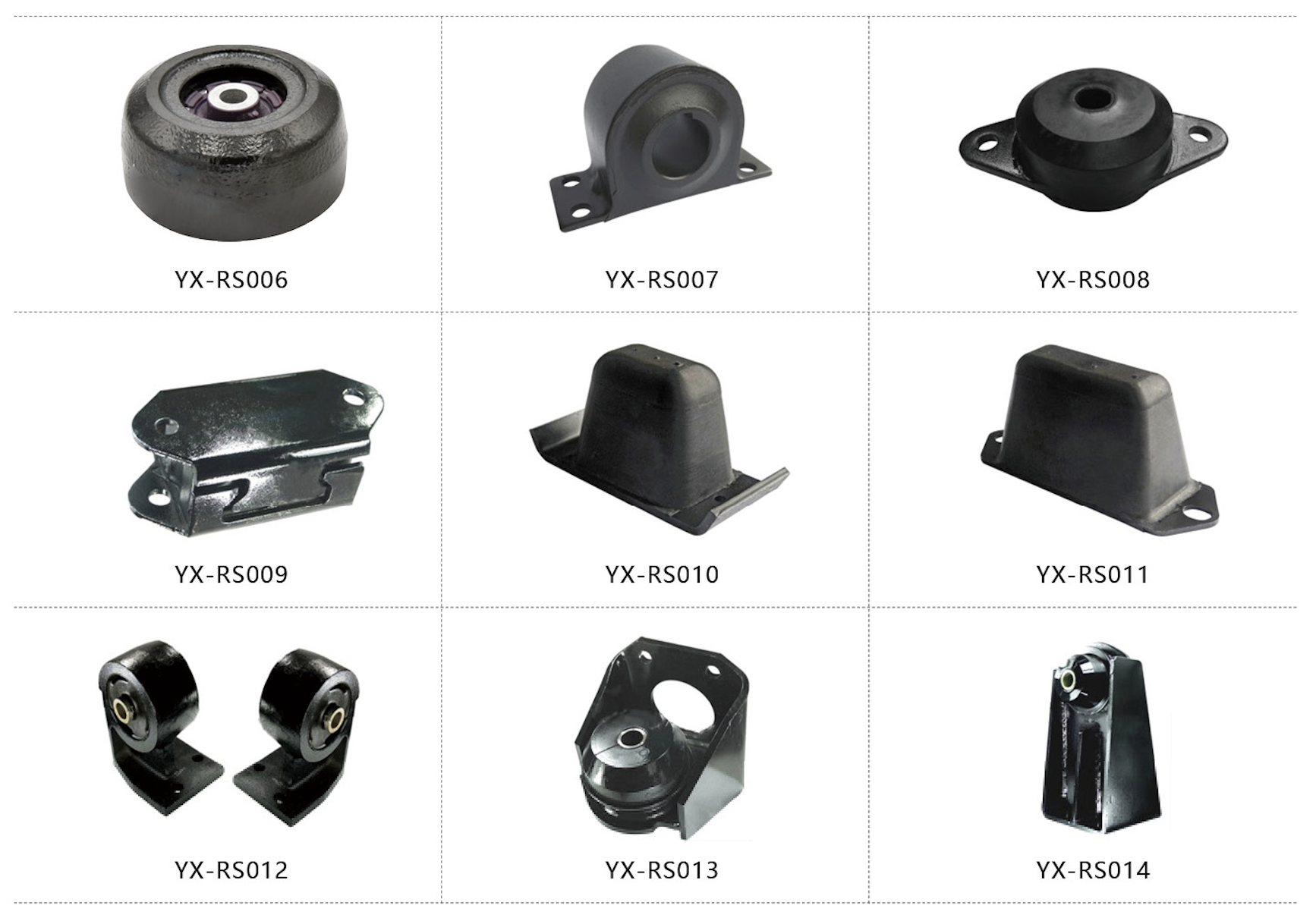
Rubber component ageing: Excessive lateral sway of the engine beyond normal limits during idling; noticeable jerking sensation during acceleration. High-frequency vibrations transmitted through passenger compartment seats and pedals at low speeds; distinct tremors perceptible when touching the steering wheel.
Visible Cracks or Fluid Leaks (for hydraulic mounts): A clanging impact sound occurs during gear changes or when traversing uneven terrain. Upon opening the engine compartment, faint yellow oil traces are visible at the support joints, with some exhibiting distinct cracks.
Loud clunking noises: when shifting gears or hitting bumps. Loose body/engine mounting bolts produce a rattling noise during bumps or gear changes, with the engine becoming unstable and prone to displacement.
When to Replace Engine Mounts?
The normal service life of most engine mounts is 5 to 7 years. However, harsh driving conditions such as frequent off-roading and frequent bumps during daily commutes will accelerate their aging and shorten their service life. If you notice the aforementioned abnormal symptoms, it is recommended to consult a professional technician in a timely manner. This can not only avoid costly repairs later but also ensure your vehicle’s performance remains optimal.
Conclusion
Engine mounts may be small, but their impact on your vehicle’s performance and automotive health is undeniable. Regular inspections and timely replacements ensure a smoother ride, extend your car’s lifespan, and save you money in the long run.