

How Engine Mounts Ensure a Smooth Ride, Prevent Damage, and Extend Your Car’s Life
这是示例文本,单击 “编辑” 按钮更改此文本。
Engine mounts are often overlooked but critical car parts that absorb vibrations, secure the engine, and enhance driving comfort. Learn how these vibration dampeners work, signs of wear, and when to replace them to avoid costly repairs and maintain automotive health.
When it comes to car maintenance, engine mounts are the unsung heroes that keep your vehicle running smoothly. These vibration dampeners play a pivotal role in reducing engine vibrations, ensuring stability, and protecting other car parts from premature wear. Here’s everything you need to know about engine mounts and why they deserve your attention.
What Are Engine Mounts?
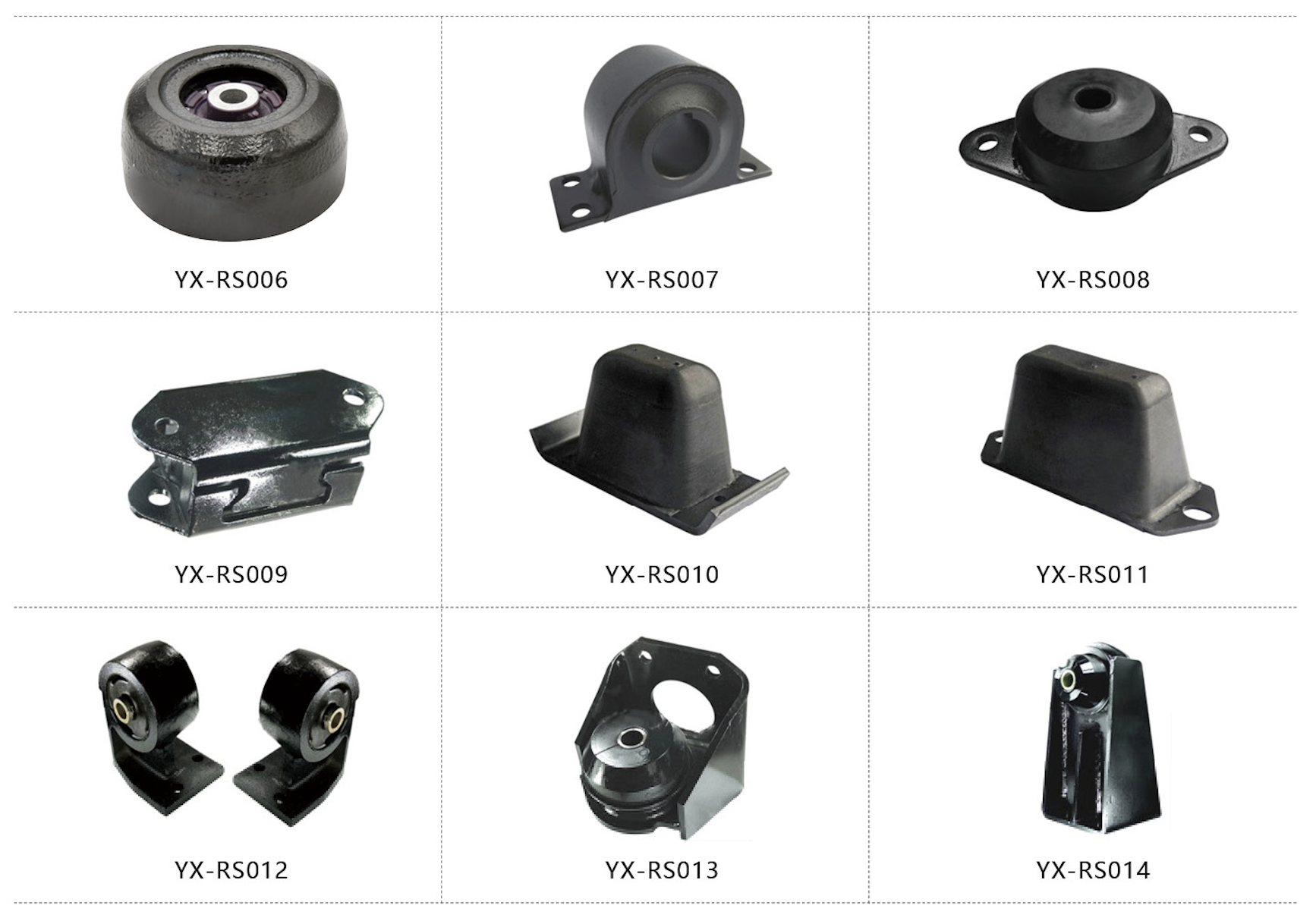
Engine mounts are critical components that secure the engine and minimise vibration transmission. In layman’s terms, they serve as the engine’s dedicated base, connecting one end to the engine block and the other to the vehicle body or chassis. Engine mounts are rubber or hydraulic components designed to secure your engine to the vehicle’s frame. They absorb shocks from road bumps, engine vibrations, and sudden movements, preventing excessive stress on the powertrain and ensuring a comfortable ride.
Why Do "the Engine Mounting" Matter?
Vibration Control: The engine mount is a core component for controlling vibration. Without robust mounts, vibrations generated during engine operation would propagate throughout the entire driver’s compartment, leading to premature wear of surrounding car parts components.
Engine Alignment: Engine mounts typically contain cushioning materials like rubber or hydraulic elements that absorb vibrations generated during engine operation. This prevents vibrations from transferring to the cabin, reducing noise and enhancing ride comfort. Properly functioning mounts keep the engine in place, preventing misalignment issues that can affect performance.
Noise Reduction: In terms of noise reduction, aged and worn engine mounts often produce clanking or rattling sounds when the vehicle accelerates, severely disrupting driving quietness and significantly affecting the driving experience.