

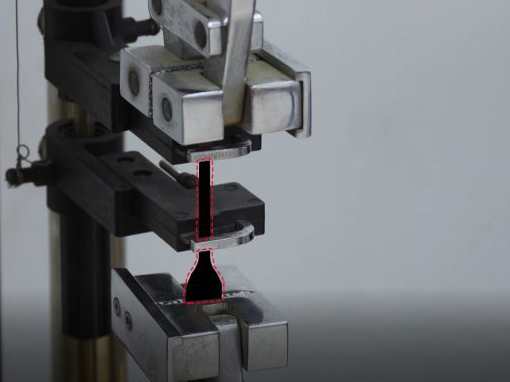
1. Understanding Rubber Hardness: The Core Metric
Rubber hardness is quantified using Shore A scales (ASTM D2240), with values ranging from 20–90 Shore A for industrial applications17. Key factors influencing hardness include:
- Base Polymer: Natural rubber (NR) offers lower hardness (Shore A 40–60) vs. NBR (Shore A 70–90) for oil resistance3.
- Filler Content: Carbon black (30–50 phr) increases hardness by 10–15 points; silica enhances abrasion without drastic hardness rise5.
- Curing System: Sulfur curing yields lower hardness than peroxide curing, which creates denser crosslinks4.
Pro Tip: For high-wear environments, use hybrid fillers (e.g., carbon black + silica) to balance hardness and tear resistance5.
2. Hardness-Driven Applications: From Seals to Tires
- Low-Hardness Rubber (Shore A 20–40):
- Vibration Damping: Used in machine mounts and shock absorbers due to high elasticity.
- Seals: O-rings for low-pressure systems (e.g., HVAC) rely on softness for airtight sealing2.
- Medium-Hardness Rubber (Shore A 50–70):
- Conveyor Belts: Balances flexibility and wear resistance in mining and agriculture2.
- Gaskets: Ideal for flange applications where compression set must be minimized4.
- High-Hardness Rubber (Shore A 80–90):
- Tread Compounds: Hardness >80 Shore A ensures longevity in off-road tires5.
- Industrial Flooring: Resists impact from heavy machinery in warehouses2.
Case Study: A EPDM-based rubber sheet (Shore A 65) outperforms NR in outdoor roofing due to UV stability and hardness retention3.
3. Testing Standards: Ensuring Compliance
- ASTM D2240: The global benchmark for Shore A/B testing, covering 12 hardness scales17.
- ISO 7617: Defines compression set testing, critical for sealing applications4.
- Accelerated Aging: Exposing samples to 70°C/100% RH for 168 hours predicts long-term hardness shifts4.
Industry Trend: Smart rubber with embedded sensors now monitors hardness in real-time for predictive maintenance5.
4. Future Directions: Sustainability and Innovation
- Recycled Rubber: Upcycled from tires, it maintains hardness while reducing carbon footprint4.
- Bio-Based Elastomers: Guayule rubber (Shore A 55–75) offers hardness comparable to NR with lower environmental impact3.
- 3D-Printed Rubber: Customizable hardness profiles enable on-demand production of complex parts5.
Explore Further:
- ASTM D2240-2025 for latest hardness testing protocols.
- ISO 7617:2024 for compression set standards.
Note: For high-performance applications, consider hybrid rubber composites with glass fiber reinforcement to achieve hardness >90 Shore A without sacrificing flexibility.